

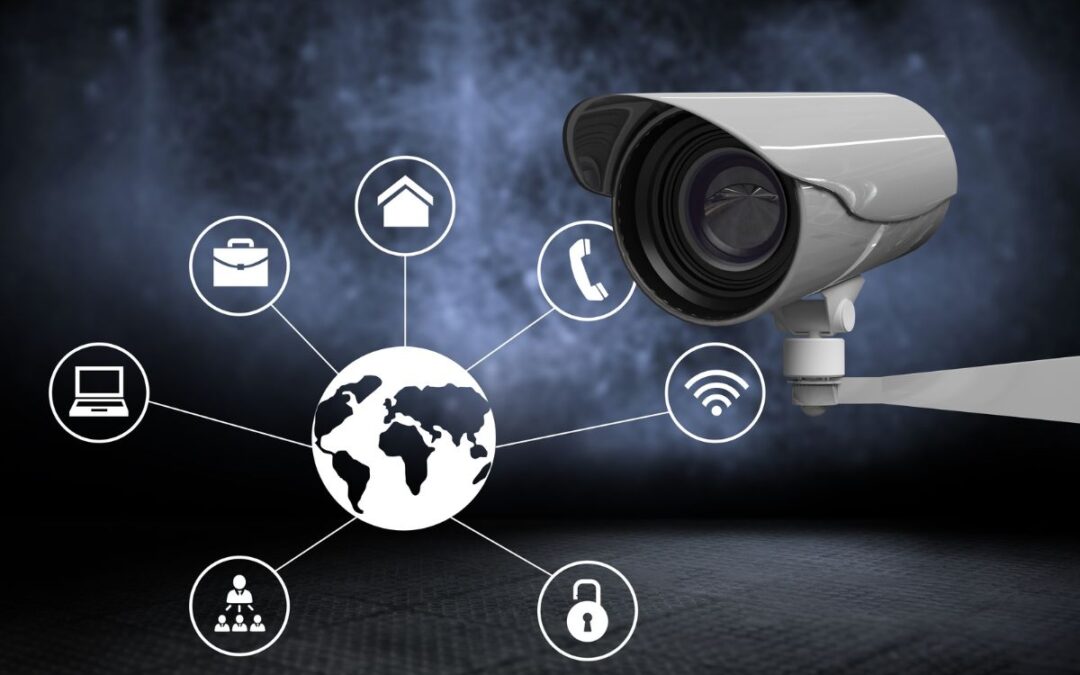
Security sits at the core of business resilience. Whether a company operates from a bustling high street or an industrial estate, protecting staff, assets, and premises is non-negotiable. Yet the way businesses achieve this protection has evolved dramatically. Modern video surveillance is no longer about grainy footage and reactive monitoring. Today, it represents a fusion of data, automation, and intelligent alerts that work proactively to deter, detect, and document threats.
The Shift Toward Intelligent Security
Businesses once viewed surveillance as a passive tool—evidence to be reviewed only after an incident. Digital transformation has changed the landscape. AI-driven analytics now spot unusual behaviour, automatically trigger alerts, and integrate with wider building-management systems. This means issues can be addressed before they escalate, from attempted theft to vandalism or unauthorized access.
Cloud connectivity further accelerates adoption. Managers can supervise multiple locations remotely, review footage instantly, and apply uniform security protocols across departments or branches. For companies scaling operations, cloud-linked surveillance removes the burden of complex upgrades and expensive onsite data storage.
A Unified Approach to Safety
Modern business environments demand layered protection. Surveillance integrates with locks, alarms, lighting, and even HR workflows. For retailers, systems help verify transactions and reduce loss from shoplifting. For logistics warehouses, they coordinate with access controls, ensuring only authorized personnel enter restricted bays. In hospitality, smart cameras help maintain safety standards while supporting compliance requirements for insurance and risk audits.
The biggest benefit, however, remains deterrence. Visible surveillance signals accountability. For opportunistic criminals, it changes the cost-benefit calculation. For customers and staff, it provides reassurance that the environment is monitored and secure.
Deployment Considerations and Best Practice
Implementing surveillance is rarely one-size-fits-all. Businesses must consider the purpose of installation, size of premises, operational hours, and the nature of risks they face. High-traffic reception areas require different equipment to dimly lit car parks. Data storage expectations also matter. While some businesses need 30 days of footage, others—especially in finance and logistics—may require far more.
Maintenance sits at the heart of effectiveness. Poorly positioned, outdated, or neglected equipment undermines the entire strategy. A camera focused into direct sunlight or obstructed by signage could miss key moments. Regular auditing ensures coverage is optimized and systems remain compliant with privacy regulations.
The Compliance Landscape
Data protection and privacy regulations continue to shape surveillance. Transparency is essential. Clear signage, internal policies, and controlled access to footage help businesses respect privacy rights while protecting assets. As remote and hybrid workforces persist, policies governing who can access surveillance data and under what circumstances will grow more important.
An emerging area of scrutiny involves facial recognition technology. Though powerful in identifying known threats, its ethical and regulatory implications demand careful handling. Many businesses are taking a measured approach—leveraging more general behavioral analytics rather than identity-specific tracking.
Keyword Paragraph (Single Mention)
Businesses seeking enhanced site monitoring often explore advanced systems such as a commercial cctv camera setup to improve detection, deter criminal activity, and maintain an audit trail for compliance and insurance purposes. This type of equipment provides clarity in both operational and security functions.
Market Trends and Business Adoption
Surveillance demand has grown beyond traditional industries such as retail and logistics. Gyms, coworking spaces, service offices, and healthcare providers now deploy intelligent systems to manage safety, compliance, and reputation risk. Insurance carriers increasingly recognize the role security plays in reducing claims. Some offer premium reductions for verified surveillance installations, incentivizing proactive security culture.
AI and thermal sensors are also helping businesses monitor environmental risks, alerting managers to overheating machinery or identifying smoke before alarms activate. For facilities with high-value equipment, this crossover functionality transforms surveillance into operational intelligence.
Looking Forward
The trajectory of surveillance technology hints toward greater autonomy and predictive capabilities. Machine learning is beginning to anticipate anomalies rather than merely flag them. Combined with IoT-connected buildings, the future points toward a seamless security ecosystem—one that protects physical spaces while feeding insights back into operational strategy.
For most businesses, the conversation is no longer “Do we need surveillance?” but “How do we deploy it most effectively?” Those that embrace smarter, integrated security stand better positioned to protect people, reputation, and bottom-line performance.